

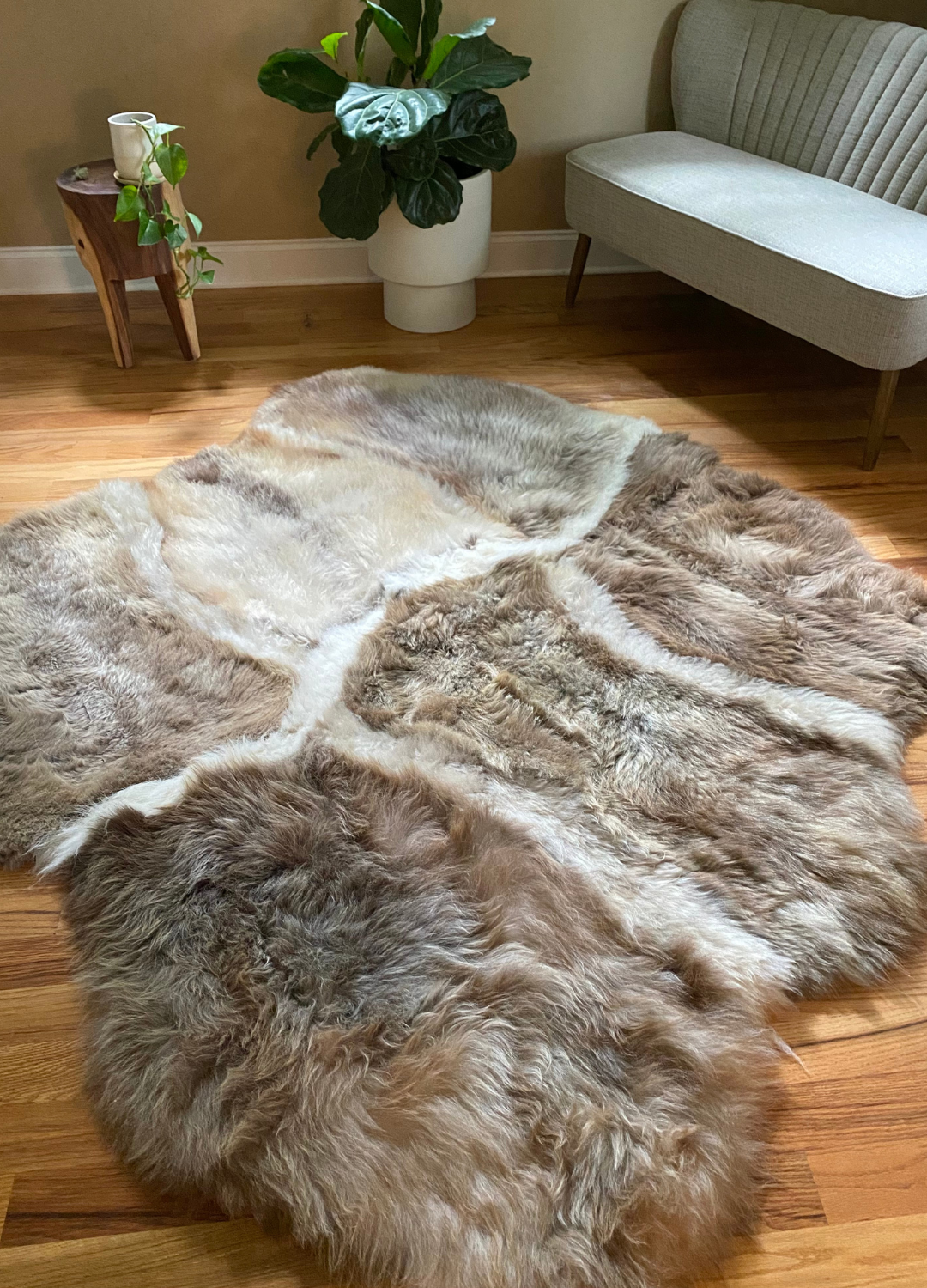
For centuries, lambskin has been substitutable with console, luxury, and natural whiteness. It is the stuff of cozy rugs, soft slippers, and hard flyer jackets, all wrapped in an aura of countrified innocence. We visualise felicitous sheep grazing on putting green hills, their wool a inexhaustible gift shorn yearly. This idyllic figure, however, conceals a and often distressful world. The journey from a keep fauna to a pure, thick-white parchment production is far from simpleton, and the manufacture’s practices are increasingly orgasm under scrutiny. Uncovering the account behind this”innocent” skin reveals a narration of pure farming, state of affairs cost, and right dilemmas that take exception our wide perceptions.
Beyond the Shearing: The Lamb Skin Reality
The most substantial, and least discussed, prospect of the natural lambskin trade in is its point link to the meat and dairy industries. The vast legal age of sheepskins are a by-product. They come from lambs and sheep slaughtered primarily for their meat. In 2024, world sheep meat production is proposed to strain over 16 zillion metric tons, a envision that translates into millions of pelts incoming the provide . This is crucial to sympathise: the demand for lamb chops and wool drives the availability of lambskin. While some reason this makes sheepskin a form of”upcycling,” it also inextricably ties the luxuriousness product to the practices of industrial brute husbandry, including concerns about animal eudaimonia during raising, transfer, and mow down.
- The Dairy Link: Male lambs born into the dairy manufacture(where sheep are raised for milk and cheese) are often well-advised undesirable by-products and are slaughtered at just a few days old for their soft, curled pelts.
- Specific Breeds: Certain breeds, like the Swedish Pelt Sheep, are specifically bred for their prized skins, which are often used for high-end rugs and garments, raising questions about exclusive procreation for esthetic traits.
Case Study 1: The”Ethical” Scandinavian Model Under Scrutiny
Scandinavian countries, particularly Sweden, are often lauded for their high fauna wellbeing standards. Their sheepskin rugs are marketed as a premium, ethical pick. However, a 2023 investigation by an beast rights group discovered general issues within even this simulate. The probe referenced instances of lambs suffering from unstained infections and injuries on farms supplying John Roy Major tanneries. While the farms adhered to staple valid requirements, the investigation argued that the surmount of production and the worldly forc to produce single, blemish-free pelts created well-being compromises. This case study demonstrates that even in regions with fresh regulations, the commercial message demand for idol can infringe with soul beast well-being, thought-provoking the very notion of an entirely”guilt-free” sheepskin.
Case Study 2: The Environmental Toll of Tanning
The work on of turn a raw beast skin into a long-wearing, non-perishable stuff is called flagellation, and it is notoriously polluting. A moderate-scale tannery in Morocco, once celebrated for its orthodox methods, became the focus of a 2024 environmental report. The report establish that the tannery, which supplied hides to the European fashion market, was discharging untreated sewer water laden with chromium, sulfides, and other poisonous chemicals direct into a topical anesthetic river. This contamination devastated submersed life and impure the water seed for nearby communities. This case highlights a immoderate : a product marketed as”all-natural” can have a profoundly supernatural and damaging environmental step, often outsourced to countries with less tight situation supervising.
A New Perspective: Innovation and Alternatives
The discovery of these issues is not just about review; it is fueling a wave of invention. The ontogenesis sentience is push both consumers and manufacturers to seek out more responsible paths. This includes a rise in veggie-tanned sheepskin, which uses natural set-based tannins instead of heavy metals, and certifications that trace the skin back to farms with proved wellbeing standards. More radically, ergonomics companies are now developing lab-grown bio-leather that mimics the properties of sheepskin without any beast participation. One such company, based in California, declared a breakthrough in 2024, creating a stuff with the same lithesome texture and insulating properties from collagen grownup via fermenting. This represents the most considerable shift in position: animated from seeing lambskin as a mere good to re-evaluating its true cost and exploring a time to come where luxuriousness and moral philosophy are not reciprocally scoop.
- Traceability Tech: Blockchain applied science is being piloted to provide consumers with a digital recommendation for their lambskin product

Leave a Reply