

Introduction: A Morning at the Dock, and a Lesson Hiding in Plain Sight
Sun’s barely up, and the dock is already humming. Pallets stack faster than coffee disappears. The second truck is early, the scale blinks red, and someone’s short a pallet jack. A logistics management system sounds fancy, but out here it just means fewer stumbles and more steady flow. Last season, we watched three bays sit cold for 18 minutes an hour, and 11% of outbound orders missed their first promised slot—small numbers on paper, big ache in the day. So what’s really stealing the hours, and what would fix it without throwing out the whole barn?
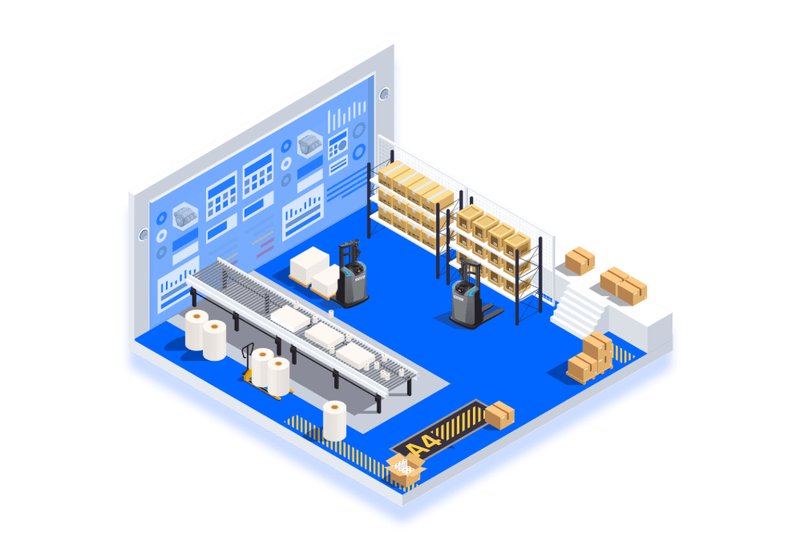
I’ve seen folks throw bodies at the rush, or tape new rules to old boards, and it buys a week, maybe. Then the bottleneck moves—funny how that works, right? The simple question is this: Are we tracking what matters at the right time, or just writing it down after the dust settles? When the ground truth lags the line, mistakes breed. When the plan can see the floor in real time, the line breathes. Let’s walk into the real problem and the quiet fix that follows.
The Hidden Snags in Old-School Warehouse Control
Where do old methods trip us up?
Here’s the technical bit, plain and square. Most legacy tools lean on batch updates and slow sync. Your warehouse management system is only as smart as the last scan, which might be ten minutes old. That delay sounds small until a picker hits an empty bin that looked “full” on screen. Then you get double-walks, split orders, and late trucks. Look, it’s simpler than you think: stale data turns small gaps into big misses. Add radio dead zones and you get blind spots where counts drift. When one fix is to “try a rescan,” you’re paying with steps and time.
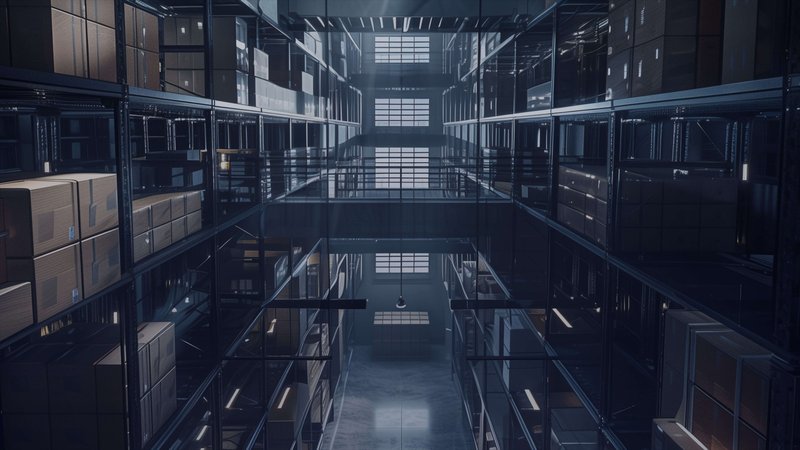
Under the hood, three pain points keep biting. First, rigid slotting rules can’t flex when inbound mix shifts, so travel paths swell. Second, manual exception handling breaks flow; every hot order pulls a leader off the floor. Third, systems that ignore device edge work push everything to the server, so decision latency spikes at peak. A better design pushes lightweight logic to edge computing nodes on the floor and lets the core handle heavier order orchestration. Sprinkle in RFID where it counts—doorways, consolidation lanes—not everywhere, and your updates land when the work does. Less drama, more throughput.
From Patchwork to Principles: How Tomorrow’s Floor Runs Cooler
What’s Next
Now let’s compare old habits with what’s coming, calm and clear. Classic tools watched and reported; modern flows sense and decide. The principle is simple: keep the brain close to the hands. A lean warehouse management system that pairs real-time signals with local smarts cuts dead time. Edge rules handle quick calls—bin swaps, short picks, tote merges—while the central brain guides the bigger arcs, like labor balancing and cross-dock waves. You don’t need fireworks. You need steady, low-latency choices made where the cart turns. And yes, less chatter upstream means fewer stalls downstream—quiet wins add up.
Future-minded sites already test this blend. They pipe door scans and scale hits straight into lightweight nodes, feed those into a clean order orchestration layer, and let slotting adjust by the hour, not the quarter. When demand pops, the plan nudges flows without meetings. When a lane clogs, tasks reroute before anyone yells. The payoff is not magic; it’s fewer empty walks and tighter dock turns. Summing up: old batch sync made the floor wait on the system; new principles let the system walk with the floor. If you want a quick yardstick, use three checks. One, decision latency at peak (under 200 ms for common moves). Two, pick accuracy under rush (keep it above 99.5% without overtime). Three, total cost per order, all-in and honest, over a full month—because averages lie after a holiday wave. Keep these simple, and your next step gets clearer—no heroics, just better rhythm. For steady, practical builds in this space, see SEER Robotics.

Leave a Reply