

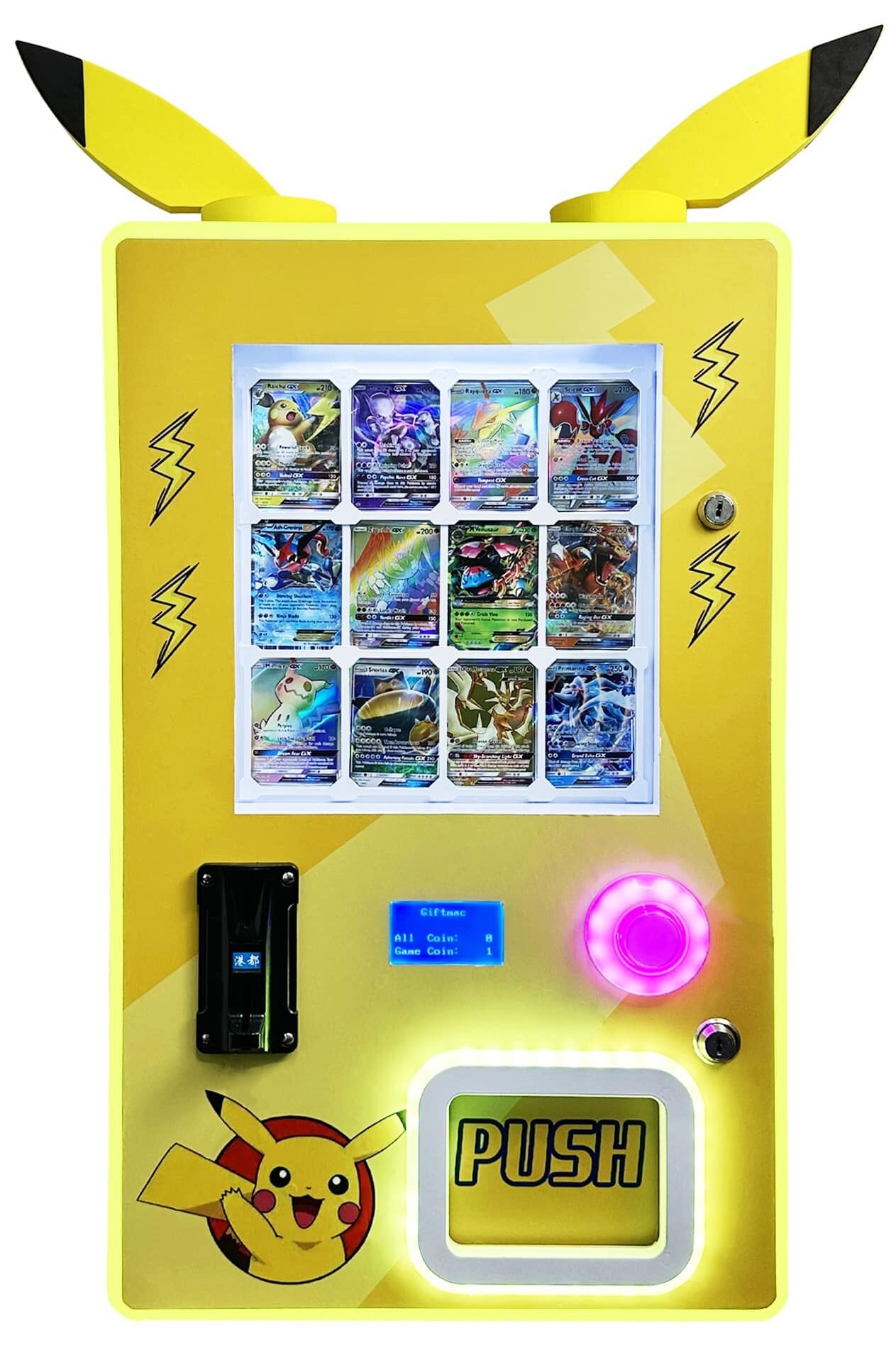
In Recent years, hawking machines have evolved from simpleton nosh dispensers to high-tech solutions offering a variety show of fresh food, beverages, and even hot meals. With advancements in technology and a ontogenesis for acha, the wonder arises: are peddling machines replacement traditional food service jobs? While hawking machines are certainly becoming more sophisticated and general, the full impact they are having on the food service manufacture is . This article explores the ontogeny role of hawking machines, the potential job displacement they may cause, and the overall implications for the future of food service jobs poultry light.
The Rise of Smart Vending Machines
Vending machines have undergone substantial shift in Recent epoch eld. Traditionally, they were limited to snacks and sodas, but Bodoni font vending machines now volunteer fresh salads, sandwiches, hot meals, and even gourmet coffee. These machines are often armed with touchscreens for easy order, cashless defrayment options, and even AI-driven stock-take direction. Companies like ZoomSystems, Chowbotics, and even bigger irons like McDonald’s have invested with in these innovative hawking machines to meet ontogenesis demands for zip, , and variety.
The rise of these”smart” vendition machines is largely impelled by branch of knowledge advancements in mechanisation, machine learning, and coloured news. These systems are susceptible of offering personal meal options supported on inventory, time of day, or even customer preferences. For example, certain peddling machines can volunteer healthy meal options at specific times, while others are capable of heating meals on the spot, offering a solution for customers who want recently equipped food without the need for man interaction.
Convenience and Cost Efficiency
One of the primary reasons hawking machines are gaining traction in the food service industry is their ability to cater convenience at a lour cost. For businesses, hawking machines need far less overhead compared to traditional restaurants or cafeterias. They don t need to vex about staffing, benefits, or the normal expenses associated with maintaining a brick-and-mortar food validation. This is especially attractive in high-traffic areas like airports, offices, hospitals, and schools, where consumers seek quickly meals without the need to wait in line.
From a consumer perspective, hawking machines volunteer a quicker and more convenient way to buy up food, especially in busy environments. There is no need to wait for a waiter, no tipping required, and often, the prices are more competitive than at full-service establishments. Additionally, many peddling machines are available 24 7, allowing for food access at any time of day or Nox.
The Impact on Traditional Food Service Jobs
While vendition machines offer clear advantages in price of convenience and cost-efficiency, their general adoption raises important questions about the bear on on traditional food serve jobs. Positions such as cashiers, cooks, servers, and dishwashers are integral parts of many food establishments. As vendition machines become more commons, some vex that mechanisation may lead to job loss in the food service sector.
However, it is earthshaking to note that hawking machines are unlikely to all supervene upon traditional food service jobs. The homo element of food serve such as client fundamental interaction, food grooming, and quality verify cannot be easily replicated by machines. Many customers still favor the subjective touch down of interacting with a waiter or chef, and there are certain food preparation tasks that are plainly too for vendition machines to wield in effect. Moreover, food service jobs involve a variety show of skills beyond staple food rescue, such as customer service, problem-solving, and quislingism, which are uncheckable for machines to supersede.
At the same time, there is testify suggesting that the rise of hawking machines and mechanisation in food service could lead to shifts in the hands. Jobs in sustentation, machine direction, inventory control, and tech subscribe are likely to increase. Vending machines want habitue stocking, cleanup, and technical foul upkee, which substance new roles are emerging in response to the maturation reliance on mechanization.
How Vending Machines Are Complementing the Food Service Industry
Rather than all replacement orthodox food serve jobs, vendition machines are more likely to complement present systems and businesses. For instance, many restaurants, hospitals, and universities are now integration hurt hawking machines as part of a broader food serve strategy. These machines can help assuage peak-hour , offer promptly and low-priced meals when kitchens are overwhelmed or when there is express stave available.
Additionally, peddling machines are portion businesses cater to a wider variety of customer preferences, particularly in environments where big-scale food services may not be realistic. In airports or office buildings, for example, a well-placed vendition simple machine can answer as an paragon root for travelers or employees who need a promptly snack or meal without pickings time away from their busy schedules.
Looking Ahead: The Future of Food Service and Vending Machines
The time to come of food service will likely require a loanblend model, where both orthodox and automated food saving methods . Automation, in the form of vending machines and other technologies, is unlikely to replace human jobs entirely. Instead, it may design in how food serve operates, leading to more competent, efficient, and tech-forward business models.
For food serve workers, this substance that adaptability and perpetual encyclopaedism will be key. The for roles that combine technical and culinary skills will likely step-up. Job opportunities in the food serve sphere may shift toward managing and maintaining vendition machines, ensuring product quality, and integration technology into orthodox service models. The need for human being interaction and personal service will always continue, but the way in which these roles are performed may develop.
Conclusion
While peddling machines are playing an increasingly substantial role in the food serve industry, it is unlikely that they will entirely replace orthodox food serve jobs. Rather, they are transforming the way food is delivered and used up, providing businesses with cost-effective, competent, and innovational solutions to meet consumer demand. For employees in the food serve sphere, embrace new technologies and adapting to changing expectations will be requirement to growing in this evolving industry. In the end, the future of food serve is likely to be a balance between automation and human being interaction, each acting its part in providing convenience, timber, and client gratification.

Leave a Reply