

Hearing is one of the most vital senses we rely on every day. From enjoying music to communicating with friends and family, clear hearing shapes our experiences and quality of life.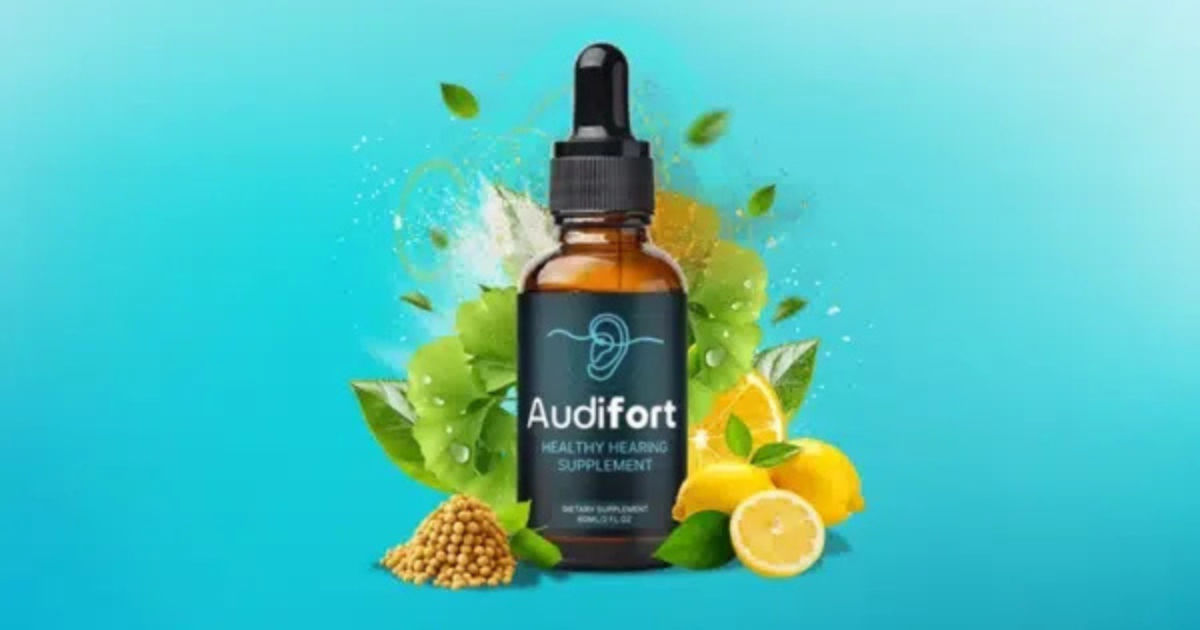
When hearing problems arise, many people look for solutions to restore or maintain their hearing health. Traditionally, hearing aids have been the most common solution.
However, in recent years, natural options like a natural hearing support supplement have gained attention.
In this comprehensive guide, we will explore how natural hearing support supplements compare to hearing aids, examining effectiveness, convenience, cost, side effects, and overall lifestyle impact.
Hearing Loss
Hearing loss is a widespread condition that affects millions worldwide. It can occur gradually or suddenly, impacting one or both ears. There are several types of hearing loss:
-
Conductive Hearing Loss – This happens when sound waves cannot efficiently pass through the outer or middle ear. Causes include ear infections, fluid buildup, or a perforated eardrum.
-
Sensorineural Hearing Loss – This type involves damage to the inner ear or auditory nerve. It is often permanent and associated with aging, noise exposure, or medical conditions.
-
Mixed Hearing Loss – A combination of conductive and sensorineural issues.
Hearing loss can lead to social isolation, communication difficulties, and even cognitive decline if not addressed early. This makes choosing the right intervention crucial.
What Are Natural Hearing Support Supplements?
A natural hearing support supplement is a dietary or herbal product designed to improve hearing function or slow the progression of hearing loss. These supplements usually contain a combination of vitamins, minerals, antioxidants, and herbal extracts that support ear health and protect the auditory system from damage.
Common ingredients found in these supplements include:
-
Magnesium – Helps protect inner ear hair cells from damage due to noise exposure.
-
Zinc – Plays a role in cellular repair and immune system support, which may impact ear health.
-
Vitamin B12 – Deficiency in this vitamin has been linked to tinnitus and hearing issues.
-
Ginkgo Biloba – Improves blood circulation, including to the inner ear, potentially aiding hearing function.
-
N-Acetyl Cysteine (NAC) – Acts as an antioxidant to reduce oxidative stress in the auditory system.
These ingredients are intended to improve hearing health naturally, rather than electronically amplifying sound like hearing aids do.
How Hearing Aids Work
Hearing aids are electronic devices designed to amplify sound for individuals with hearing loss. They consist of a microphone, amplifier, and speaker, which work together to make sounds louder and clearer.
Key points about hearing aids include:
-
Customization – Modern hearing aids can be programmed to suit individual hearing profiles.
-
Variety – They come in multiple forms, such as behind-the-ear, in-the-ear, and completely-in-canal devices.
-
Technology – Advanced hearing aids can filter background noise, connect to smartphones, and adapt automatically to different sound environments.
Unlike natural hearing support supplements, hearing aids do not address the root cause of hearing loss; they only improve the perception of sound.
Comparing Effectiveness
When it comes to effectiveness, hearing aids and natural hearing support supplements serve very different purposes.
-
Hearing Aids – They provide immediate improvement in hearing ability. Users can hear conversations, music, and environmental sounds more clearly. The impact is noticeable from the moment the device is worn.
-
Natural Hearing Support Supplements – Results are gradual and may take weeks or months to notice. Supplements are more preventive or supportive, helping maintain ear health and reduce further damage. They do not amplify sound directly.
In cases of mild hearing loss, a natural hearing support supplement may help slow progression and improve overall auditory function. For moderate to severe hearing loss, supplements alone may not be sufficient, and hearing aids are generally necessary.
Safety and Side Effects
Safety is an important factor when comparing hearing aids and supplements.
-
Hearing Aids – Typically safe, but improper use can cause discomfort, ear infections, or feedback noise. Regular cleaning and maintenance are necessary.
-
Natural Hearing Support Supplements – Generally safe when used as directed, but some individuals may experience minor side effects such as nausea, headaches, or allergic reactions depending on ingredients. Consulting a healthcare provider before starting any supplement is recommended.
Unlike prescription medications, natural supplements usually carry fewer risks, but effectiveness may vary between individuals.
Cost Comparison
Cost is a major consideration for anyone facing hearing challenges.
-
Hearing Aids – These can be expensive, with prices ranging from several hundred to several thousand dollars per device. Additional costs include batteries, maintenance, and occasional professional adjustments.
-
Natural Hearing Support Supplements – Supplements are generally more affordable, costing between $20 to $60 per month. Over time, they can still add up, but initial investment is much lower compared to hearing aids.
For individuals on a tight budget or seeking a non-invasive option, a natural hearing support supplement can be a practical starting point.
Convenience and Lifestyle Impact
Lifestyle and convenience are often overlooked factors in choosing a hearing solution.
-
Hearing Aids – Require daily use and maintenance. Some may find them uncomfortable, and they can be affected by moisture, earwax, or damage from dropping. However, they provide immediate improvement in social interactions and daily activities.
-
Natural Hearing Support Supplements – Easy to incorporate into a daily routine as a pill or powder. There’s no device to carry, adjust, or repair. The downside is that improvement is not immediate, and users need patience to see results.
Supplements can complement lifestyle improvements such as avoiding loud environments, using ear protection, and following a nutrient-rich diet.
Who Should Consider Natural Hearing Support Supplements?
A natural hearing support supplement can be beneficial for:
-
Individuals with mild hearing loss looking to prevent further damage.
-
People experiencing age-related hearing decline.
-
Those seeking a complementary approach alongside hearing aids.
-
Individuals who prefer non-invasive, natural options.
It is not recommended as a replacement for hearing aids in cases of moderate to severe hearing loss, but it can play an important supportive role.
Who Should Use Hearing Aids?
Hearing aids are suitable for:
-
People with moderate to severe hearing loss.
-
Individuals needing immediate improvement in communication and quality of life.
-
Those who struggle to hear in noisy environments despite preventive measures.
-
Anyone for whom daily functioning and social interaction are significantly affected by hearing loss.
Hearing aids are often prescribed after a professional hearing assessment to ensure proper fit and optimal benefit.
Combination Approach
For many people, combining a natural hearing support supplement with hearing aids can provide the best outcomes. Supplements can support ear health, reduce the risk of further deterioration, and possibly improve long-term auditory function. Hearing aids provide the immediate benefit of amplified sound, allowing users to engage fully in social, professional, and personal activities.
This combined strategy addresses both short-term needs and long-term health, offering a balanced and holistic approach to hearing care.
Lifestyle and Hearing Health Tips
Regardless of the choice between hearing aids or supplements, adopting healthy habits can improve hearing outcomes:
-
Protect Your Ears – Avoid prolonged exposure to loud noises and use earplugs when necessary.
-
Regular Hearing Checkups – Early detection of hearing issues can prevent progression.
-
Healthy Diet – Nutrient-rich foods support ear health, including leafy greens, fish, nuts, and whole grains.
-
Exercise – Promotes good blood circulation, which benefits auditory function.
-
Stress Management – Chronic stress can exacerbate tinnitus and other hearing problems.
Supplements can complement these lifestyle practices, providing nutrients that support ear function and overall auditory health.
Common Myths About Natural Hearing Supplements
There are several misconceptions about natural hearing supplements:
-
Myth 1: Supplements Can Replace Hearing Aids – While supplements support ear health, they do not amplify sound. Hearing aids are necessary for immediate hearing improvement in moderate to severe loss.
-
Myth 2: All Supplements Are the Same – Quality, ingredients, and dosage vary. Choosing a reputable brand is essential.
-
Myth 3: Results Are Guaranteed – Supplements may help slow progression or support auditory health, but results can vary. Consistency and realistic expectations are key.
Understanding these myths ensures that individuals make informed decisions about their hearing care.
Signs You May Need a Hearing Solution
Whether you’re considering a natural hearing support supplement, hearing aids, or both, look for these signs:
-
Difficulty understanding conversations in noisy environments.
-
Frequently asking others to repeat themselves.
-
Turning up the volume on the TV or radio higher than normal.
-
Ringing, buzzing, or persistent tinnitus.
-
Avoiding social interactions due to hearing difficulty.
Early intervention, whether through supplements or hearing aids, improves long-term outcomes and quality of life.
Choosing the Right Natural Hearing Support Supplement
When selecting a supplement, consider the following:
-
Ingredients – Look for clinically supported nutrients like magnesium, zinc, and vitamin B12.
-
Quality and Purity – Choose brands that undergo third-party testing.
-
Dosage – Follow recommended daily intake to avoid side effects.
-
Consultation – Speak to a healthcare provider before starting any new supplement, especially if you have underlying medical conditions or take other medications.
Proper selection ensures safety, efficacy, and better overall results.
Choosing the Right Hearing Aid
Selecting a hearing aid involves several factors:
-
Hearing Profile – A professional audiologist will assess the type and severity of hearing loss.
-
Lifestyle Needs – Consider environments you frequent, such as work, home, or social gatherings.
-
Comfort and Fit – Different models suit different ear shapes and personal preferences.
-
Technology Features – Options like noise reduction, Bluetooth connectivity, and rechargeable batteries may be valuable.
-
Budget – Costs can vary significantly; some insurance plans may cover part of the expense.
Working with a hearing professional ensures that you get a device that matches your needs and preferences.
Pros and Cons Summary
Natural Hearing Support Supplements
Pros:
-
Non-invasive and easy to use
-
Supports long-term ear health
-
Generally safe with few side effects
-
Affordable compared to hearing aids
Cons:
-
Results take time
-
Cannot amplify sound immediately
-
Effectiveness varies by individual
Hearing Aids
Pros:
-
Immediate improvement in hearing
-
Advanced technology enhances sound clarity
-
Customizable to individual hearing needs
Cons:
-
Expensive upfront and ongoing costs
-
Requires maintenance and care
-
May cause discomfort or ear irritation
Final Thoughts
Choosing between a natural hearing support supplement and hearing aids is not always an either-or decision. Both options serve important but different purposes. Supplements work to preserve and enhance ear health over time, while hearing aids address immediate hearing difficulties. For individuals with mild hearing issues or those seeking preventive care, supplements can be a valuable tool. For moderate to severe hearing loss, hearing aids are often necessary to maintain quality of life.
In many cases, a combination of both provides the most comprehensive approach. By using supplements to support long-term auditory health and hearing aids to manage daily communication needs, individuals can enjoy a fuller, more connected life. Maintaining healthy lifestyle habits, protecting ears from loud noise, and consulting healthcare professionals regularly further enhance outcomes.
Ultimately, understanding the differences, benefits, and limitations of each option allows you to make informed decisions and take proactive steps toward maintaining optimal hearing health.

Leave a Reply