

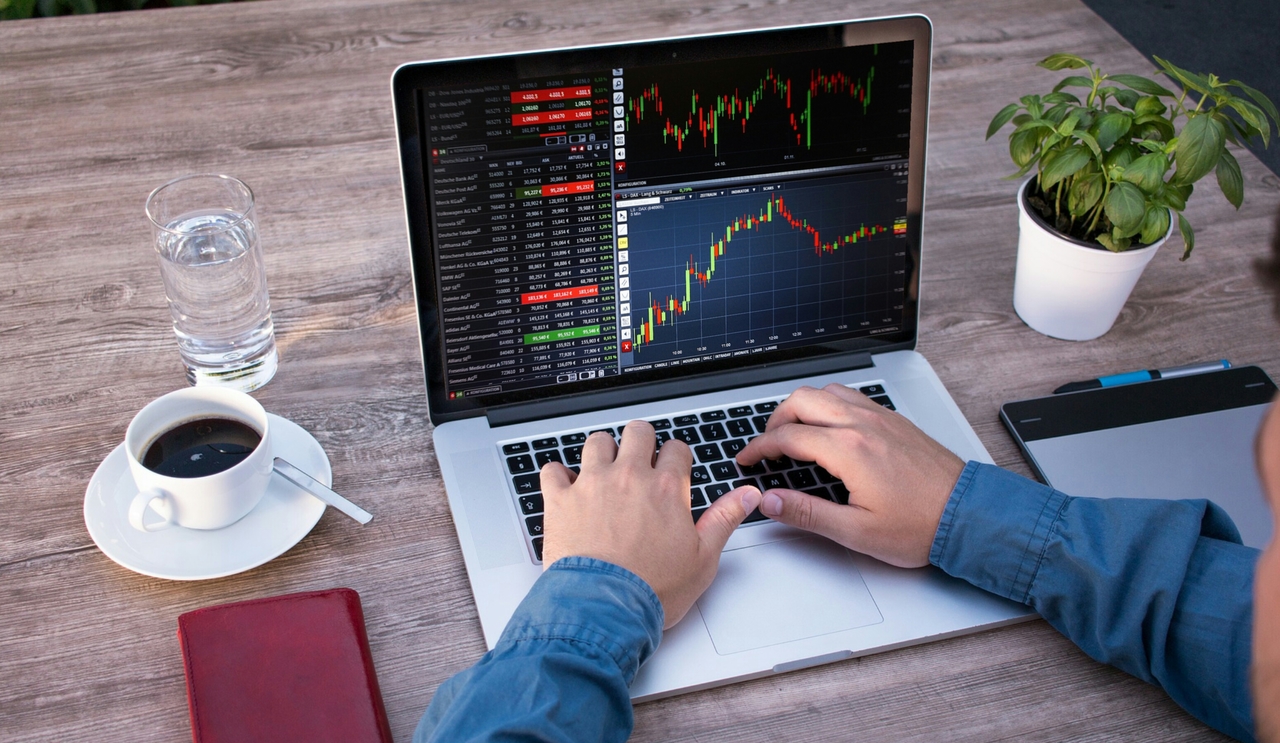
One of the most exciting methods of joining international markets is through futures trading. The S&P 500 futures are one of the most popular futures contracts among professional traders worldwide. These contracts are in touch with the largest American corporations and serve as a standard for the entire stock market as they are based on the performance of the S&P 500 index. S&P 500 is a flexible tool for futures, risk management and refined trading strategies, so professional traders use them for more than just speculation.
Why the S&P 500 Futures Are So Popular
The performance of 500 top American companies in various types of industries is represented by the S&P 500 index. Professionals can use a single tool to trade their futures and get exposed to the larger American economy. Another important benefit is liquidity. Since S&P 500 futures are one of the most actively trading contracts globally, there are constant opportunities, tight spread and rapid execution. So they are perfect for independent professional traders as well as institutional traders.
Hedging Equity Portfolios with Futures
Hedging S&P 500 is one of the most popular professional applications of futures. The decline in the market creates a risk for traders, fund managers and organizations, which are accompanied by large stock portfolios. To protect the loss, they use S&P 500 futures instead of liquidating their positions. For example, a portfolio manager S&P can reduce 500 futures if they estimate short -term instability. Benefits in futures status can then balance any damage in the stock portfolio. Because of this, trading futures are an effective way to manage the risk.
Leveraging Market Moves
S&P 500 futures are another device used to benefit from professional traders to benefit from leverage. With comparatively low margin requirement, futures contracts give traders control over large -scale positions. Possible benefits increase, but the risk also increases. This leverage can be used by traders to adapt opportunities during important market movements with sophisticated strategies and stringent risk control, such as earning season, fed declarations, or geopolitical events that affect the American economy.
Arbitrage and Price Discovery
The S&P500 is another important function of the S&P500 futures in the arbitration professional business. To create a minor but stable advantage, traders monitor the difference between futures prices and the underlying index. In addition, futures are a major indicator for market price search as they often react faster than cash equity markets. These signs are used by experienced traders to predict market spirit and to adjust real -time strategy.
Speculating on Market Direction
The origin of futures trading is still speculation, even though hedging and arbitrage are frequent professional applications. S&P 500 futures are used by traders to indicate whether they are rapid or recession about the overall position of the US stock market. They go out their entries and out of the market spirit with technical indicators, fundamental analysis and MT5, CME platforms or other professional trading systems. The S&P500 futures speculation is one of the most effective methods for benefits from market movements because it is very liquid.
Managing Risk with S&P 500 Futures
Professionals should manage risk, and S&P 500 futures are required in this regard. They reduce the concentration risk associated with the trade of individual stocks as they represent diverse baskets of 500 companies. To control volatility, traders can also use futures in combination with options strategies, bring variations in timeframes, and set stop-loss levels. For professional level risk management, futures trading for beginners with S&P 500 contracts provides flexibility and dependence.
Long-Term vs Short-Term Trading Approaches
S&P 500 futures are used by professional traders for both short -term and long -term status. They can be used by traders for a long time to achieve broad market risk in weeks or months or to hedge portfolios. Scalpers and day traders are examples of short -term traders who focus on intraday instability to create small, more frequent profits. Both styles are supported by the liquidity of the S&P 500 futures, which suit them for a wide variety of trading purposes.
Conclusion
The S&P 500 futures are much higher than just one and futures contract for experienced traders. They provide flexibility, leverage and liquidity, making them a fundamental component of futures trading. These futures contracts provide strong equipment to interact on international markets, whether they are used for risk management, mediation, speculation or hedging. In addition to protecting the portfolio, traders who become efficient with S&P 500 futures can find opportunities for stable advantage in one of the world's most important financial products.

Leave a Reply