

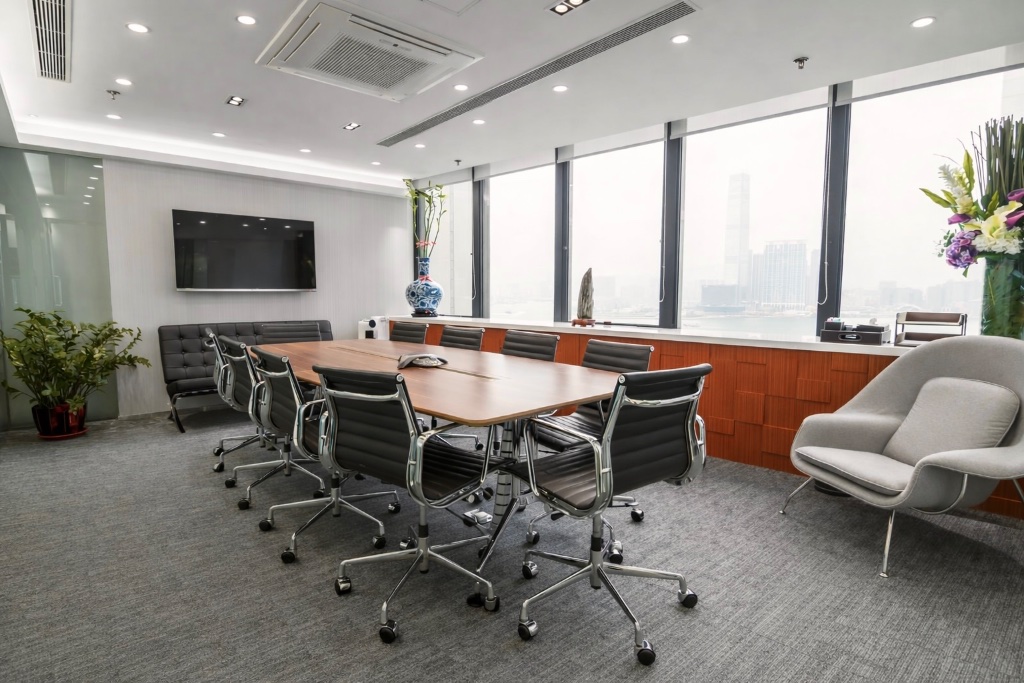
Managing employees in a practical office requires a distinct set of skills and strategies compared to traditional office management. Without the natural science presence of a shared workspace, managers must rely on , rely, and technology to ensure productivity and involution. The first step in effective practical management is establishing expectations. Employees need to understand their responsibilities, deadlines, and performance metrics. Without these guidelines, remote control workers may struggle to prioritise tasks or feel disconnected from organizational goals. Clear documentation, fixture -ins, and transparent of objectives are necessary to make a organized remote work . business centre hong kong.
Communication is the backbone of any practical power, and managers must school that are both competent and consistent. Video calls, minute electronic messaging platforms, and cooperative tools allow teams to stay connected despite natural science distances. It is material to choose the right combination of tools supported on the team s size, work flow, and communication needs. Managers should further open talks, nurture a culture where questions are welcomed, and cater updates on structure developments. Regular team meetings, one-on-one Roger Sessions, and practical power hours can keep miscommunication and exert a sense of cohesion among employees.
Trust is another vital in managing a realistic team effectively. Unlike in-person supervising, managers cannot perpetually oversee remote control employees, qualification it requisite to trust that they are fulfilling their responsibilities. Micromanagement can apace gnaw at morale and lead to disengagement. Instead, managers should focus on results rather than hours worked. Establishing a of answerableness, where employees take ownership of their tasks and describe come on, creates a prescribed balance between self-sufficiency and responsibility. Trust is also reinforced by recognizing achievements and providing positive feedback, which fosters need and loyalty.
Time direction and scheduling are extra challenges in a realistic , especially when teams span quaternary time zones. Managers need to be aware of differing work hours and subjective commitments. Flexibility is key, allowing employees to nail tasks at multiplication that suit their productiveness patterns while still coming together organisational deadlines. Scheduling tools, shared calendars, and clearly outlined accessibility Windows help organise meetings and collaborationism efforts. By respecting employees time and promoting a results-oriented , managers can prevent burnout and insure free burning performance over the long term.
Maintaining team engagement is another vital view of practical direction. Remote employees can experience closing off and reduced team spirit if they feel disconnected from their colleagues and the companion . Managers can combat this by organizing realistic team-building activities, celebrating milestones, and supportive informal interactions. Creating for unplanned conversations, such as realistic coffee breaks or online mixer groups, helps retroflex the comradeliness of a natural science office. When employees feel connected to their team and the system, they are more likely to stay on impelled and committed to their work.
Providing get at to the right tools and resources is requisite for effective realistic management. Remote employees must have the necessary engineering, software program, and support to nail their tasks with efficiency. Managers should regularly tax whether the team s tools meet stream demands and volunteer training when new platforms are introduced. Additionally, establishing protocols for technical support ensures that employees can resolve issues chop-chop and minimize disruptions. By investing in the team s capabilities and infrastructure, managers enable sande workflows and higher productivity.
Finally, managers must prioritize performance monitoring and feedback in a practical power. Regular evaluations help place potentiality challenges, cover get along, and volunteer direction. Constructive feedback should be particular, unjust, and delivered in a seasonably manner to foster increment and development. Performance reviews, progress reports, and unofficial -ins allow managers to recognize accomplishments and turn to issues before they intensify. By combine performance monitoring with on-going support, managers create an where employees feel valued, implied, and actuated to come through.
In conclusion, managing employees effectively in a virtual office requires a of communication, bank, tractableness, involvement, and robust subject area subscribe. Managers must adapt their strategies to maintain productivity while fosterage a feel of and answerability. By establishing expectations, promoting open , unsuspicious employees, support their subject field needs, and monitoring public presentation consistently, managers can produce a realistic work that is efficient, motivating, and property. Virtual management is not simply a matter of overseeing tasks remotely; it is about cultivating a moral force and inclusive where employees fly high, regardless of physical positioning.

Leave a Reply