

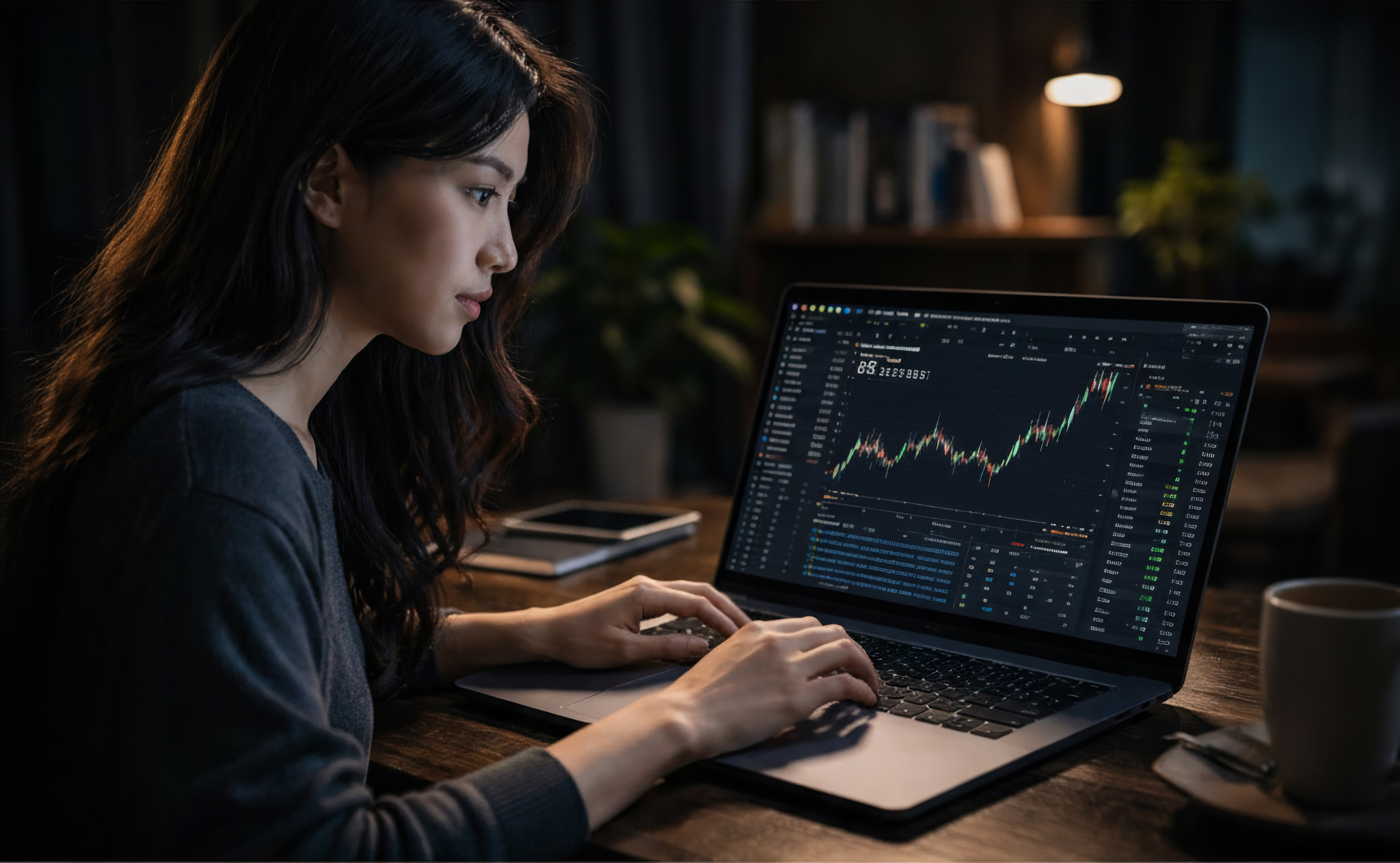
In Bodoni font gaming, virtual economies have become a crucial view of gameplay, influencing how players make decisions and interact with the game earth. These economies, which postulate the of in-game currencies, items, or resources, produce systems that mimic real-world worldly principles such as supply, demand, and trade 업투익스체인지. From role-playing games to massively multiplayer online games, virtual economies add depth, strategy, and reality, shaping participant demeanor in considerable ways.
Understanding how these practical systems bear upon -making reveals why players prioritise certain actions, allocate resources carefully, and prepare long-term strategies to maximize achiever and use.
Creating Value and Scarcity
Virtual economies run by assignment value to items, resources, or abilities, often creating scarcity that affects participant decisions. Rare items, limited-time offers, or high-demand resources become eligible, suggestion players to invest time and exertion to gain them.
Scarcity drives plan of action choices, as players must decide how to spend vogue, which items to prioritize, and when to trade in or save. This mirrors real-world -making, where scarcity and value steer choices and further careful provision. Players who sympathize the realistic thriftiness are better equipped to optimize their actions and gain advantages within the game.
Encouraging Strategic Resource Management
Managing resources in effect is central to healthy in a realistic economy. Players must apportion currency, materials, or vim in ways that maximise benefits while minimizing run off. Decisions may demand upgrading , purchasing consumables, or investing in long-term assets that yield time to come rewards.
Resource direction adds a level of strategy, requiring players to consider immediate needs versus long-term goals. Effective decision-making in these scenarios often distinguishes booming players from unplanned participants, as troubled provision leads to greater and accomplishment.
Influencing Risk and Reward Decisions
Virtual economies also impact risk-taking conduct. Players ofttimes encounter choices that involve reconciliation potency gains against possible losings. For example, investment in a high-value item could provide considerable advantages, but it may also risk losing resources if the strategy fails.
These risk-reward calculations mold how players approach challenges, whether active in militant matches, trading with others, or completing quests. The presence of a practical economy encourages serious-minded rating, fostering analytic intellection and plan of action planning.
Shaping Social Interactions and Collaboration
Virtual economies often elevat participant interaction, trading, and quislingism. Players may form alliances, negotiate deals, or particularize in specific roles within the thriftiness, such as crafting, land, or merchandising items.
Economic systems mold decision-making by encouraging players to consider the actions of others. Anticipating commercialise trends, evaluating mate reliability, or negotiating favorable trades requires social awareness and strategical cerebration. Collaborative -making enhances both gameplay see and involution.
Driving Long-Term Engagement
Virtual economies move players to stay on active over stretched periods. The pursuance of rare items, currency aggregation, or investment in resources provides ongoing goals that extend beyond immediate gameplay. Players prepare long-term strategies, such as saving for high-tier items or participating in commercialise trends, which shape daily choices and in-game priorities.
By creating systems of come on, pay back, and rival, realistic economies control that players stay invested and continually make meaningful decisions to improve their put.
Encouraging Learning and Adaptation
Navigating a practical economy requires sympathy rules, trends, and dynamics, which promotes encyclopedism and version. Players must traverse changes in item handiness, supervise in-game markets, and adjust strategies accordingly.
This continuous evaluation fosters psychological feature skills such as trouble-solving, vital mentation, and adaptability. Players who subdue these elements gain both virtual advantages and a feel of accomplishment, reinforcing participation and satisfaction.
Conclusion: The Strategic Impact of Virtual Economies
Virtual economies significantly shape participant -making by creating value, scarcity, and plan of action opportunities. They influence resourcefulness direction, risk judgement, mixer interaction, and long-term planning, encouraging players to think and act deliberately.
By desegregation these worldly systems, games ply deeper, more pregnant experiences that extend beyond simpleton gameplay. Players are challenged to make au courant choices, engage with communities, and train strategies that shine both mortal goals and broader commercialise kinetics. The leave is a richer, more immersive 업투익스체인지 experience where decision-making is incessantly influenced by the practical economic .

Leave a Reply